EDUCATIONAL ACTIVITY PLAN
TOPIC: | Clean water and sanitation (SDG 6) |
CLASS / DURATION / PREPARED BY: | Grades 8–9; 45 minutes; Prepared by: |
LEARNING TASK
Students will read two short informational texts about Clean Water and Sanitation (SDG 6), complete reading comprehension and vocabulary practice tasks, and create a mini ‘Water & Hygiene Action Plan’ for their school/community.
GOALS
General competences
- Learning to learn: students set a reading purpose, use strategies (skimming, scanning, context clues), and reflect on what helped them understand the texts.
- Cognitive: they identify cause–effect links (water use → pollution/health), compare problems and solutions, and justify answers using evidence from the texts.
- Social: they cooperate in pairs and groups, share roles, and communicate respectfully during discussions.
- Personal: they express opinions confidently, reflect on habits (water use, hygiene), and understand their role in protecting water resources and public health.
Subject competences
- Understand the main idea and specific information in short texts about clean water, sanitation, and wastewater.
- Use topic vocabulary (safe drinking water, sanitation, wastewater, treatment plant, contaminants, conserve, hygiene) in speaking and writing.
- Ask and answer questions, give reasons, and participate in a short discussion about local water and hygiene issues.
- Summarise information from texts and create a mini action plan to save water and improve hygiene at school/home.
- Show awareness of SDG 6 and connect the topic to everyday life (water use, plastics, pollution, handwashing, infrastructure).
Integration with other subjects
Biology/Science (water cycle, microorganisms, diseases), Geography (water resources, pollution), Civic education (public health, responsibility), ICT (finding reliable information).
MATERIALS / EQUIPMENT
Projector/board, SDG 6 icon or picture prompts, printed student worksheet (Appendix 2), reading texts (Appendix 1) or digital copies, pens/highlighters, optional: simple water-cycle / treatment diagram.
LEARNING ACTIVITIES
(The lesson is not split into separate parts; timing is suggested.)
- Warm-up (5 min): picture prompt – ‘Where does our tap water come from?’ Quick brainstorm + 3 quick questions (Do you drink tap water? What do you flush? How can we save water?).
- Vocabulary focus (7 min): match key words to meanings (Appendix 1 table) and predict what the texts will mention.
- Reading (15 min): students read Text A and Text B, then complete comprehension tasks (Appendix 2).
- Vocabulary practice (8 min): matching + gap-fill using the new words (Appendix 2).
- Speaking/Writing (10 min): groups complete the ‘Water issues & solutions’ table and share a 30–60 sec mini action plan.
REFLECTION. ASSESSMENT
Reflection: students complete an exit ticket (sticky note) by finishing the sentences:
- In this lesson I learned that…
- One habit I want to change is…
- One word I will remember is…
- My participation today was… (1–5) because…
APPENDIX 1
Reading texts: Clean water and sanitation (SDG 6)
Read Text A and Text B. Underline words you do not know. Try to guess their meaning from the context. After reading, complete the tasks in Appendix 2.
TEXT A – From river to tap: the city water journey
In many towns and cities, drinking water starts in a river, lake, or underground well. Before it reaches our homes, it is cleaned at a water treatment plant. First, water is screened to remove leaves and large pieces of rubbish. Next, it is filtered so that small particles of dirt are taken out. After that, the water is disinfected (often with chlorine or UV light) to kill germs that can cause disease. Finally, the clean water is tested and pumped through pipes to schools and houses.
Good infrastructure is important: old or broken pipes can let contaminants in and cause leaks. That means clean water is wasted before it even gets to people. Saving water at home and at school also helps, because treatment uses energy and money.
Word / phrase | Meaning (simple) | Example sentence | Category |
safe drinking water | water that is clean and safe to drink | Everyone should have access to safe drinking water. | water |
sanitation | safe toilets and systems for waste | Sanitation protects people and rivers from pollution. | sanitation |
wastewater | used water from sinks, showers and toilets | Wastewater must be treated before it returns to nature. | sanitation |
treatment plant | a place where water is cleaned | The treatment plant filters and disinfects drinking water. | infrastructure |
contaminants | harmful substances or dirt | Contaminants can make water unsafe. | water |
conserve | to save and use less | We can conserve water by fixing leaks. | action |
hygiene | habits that keep us clean and healthy | Good hygiene includes washing hands with soap. | health |
TEXT B – Sanitation: why toilets and wastewater matter
Clean water is only one part of a healthy community. Sanitation means having safe toilets and a system to collect and treat wastewater. Wastewater is used water from sinks, showers, washing machines, and toilets. If it is released untreated, it can pollute rivers and seas and spread waterborne diseases.
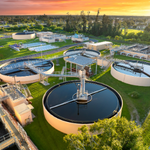
At a wastewater treatment plant, solid waste is removed, then the water is cleaned using bacteria and filters. In the end, cleaner water can be returned to nature. Everyone can help: never flush wipes, plastic, or oil; use only the needed amount of water; and report dripping taps. Good hygiene, like washing hands with soap, is one of the easiest ways to protect health.
Tip: Use the vocabulary table below to support your reading and speaking tasks.
APPENDIX 2
Tasks (student worksheet)
- Reading comprehension
- 1) Skim both texts. Write ONE sentence: What is the main idea of Text A? What is the main idea of Text B?
- 2) True (T) or False (F). Correct the false sentences.
- 3) Answer the questions in full sentences.
T/F statements:
- Water in cities usually goes directly from a river to homes without cleaning.
- Filtration removes some dirt and particles from water.
- Sanitation only means taking a shower or brushing your teeth.
- Wastewater treatment helps stop pollution and diseases.
- Reporting leaks can save clean water.
Questions:
- Name two steps in cleaning drinking water before it reaches homes.
- Why do cities disinfect drinking water (for example, with chlorine or UV)?
- What is wastewater? Give one example from the text.
- How can poor sanitation affect rivers or seas?
- Write two actions students can take at school to support SDG 6.
- Vocabulary practice
4) Match the words to the definitions (write the letter):
- a) sanitation b) wastewater c) contaminants d) conserve e) hygiene
- ______ : safe toilets and systems that keep human waste away from people and nature
- ______ : used water from homes/schools (sinks, showers, toilets)
- ______ : harmful substances or dirt in water
- ______ : to save and use less of something (water/energy)
- ______ : habits that keep us clean and healthy (e.g., handwashing)
5) Complete the sentences with the correct word/phrase:
- We should __________ water by turning off the tap while brushing our teeth.
- A wastewater __________ cleans used water before it goes back to nature.
- Old pipes can let __________ into drinking water and cause health problems.
- Good __________ includes washing hands with soap to stop germs spreading.
- Speaking/Writing (group task)
6) In groups, complete the table below. Then present your mini action plan (30–60 seconds).
Table. Water issues and solutions
Water issue | Why it matters | Possible solution | Who can help (school / families / city) |
Example: leaking taps at school | clean water is wasted; higher bills | report leaks; repair; put ‘turn off tap’ signs | school + maintenance + students |
|
|
|
|
|
|
|
|
APPENDIX 3
Assessment criteria
Explain the criteria to students before starting. Suggested total: 10 points.
- Participation and teamwork (2 points).
- Reading comprehension tasks (5 points).
- Vocabulary accuracy and mini action plan (3 points).