Category: SDG14 life below water

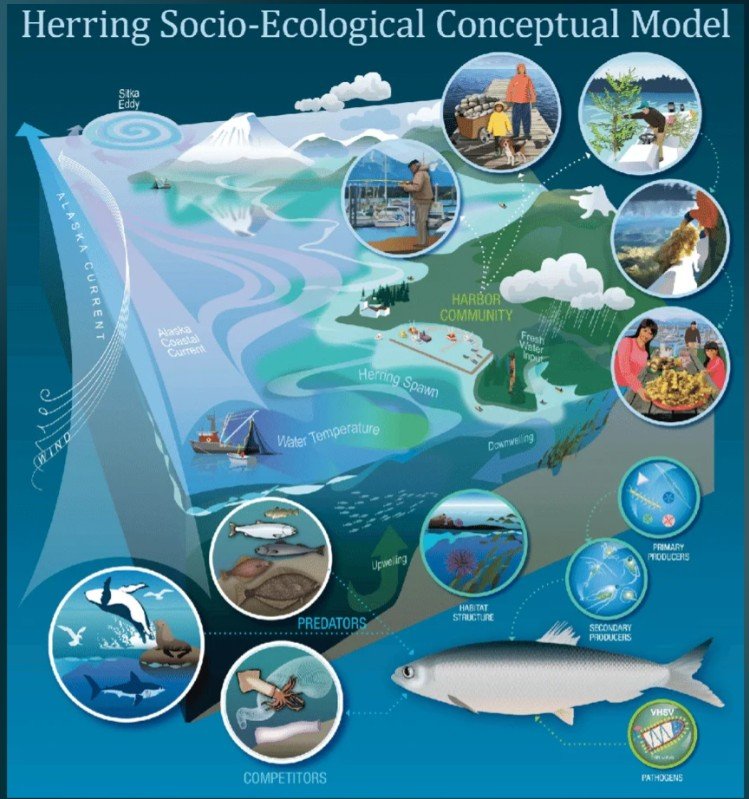
Sustainable fishing – protecting fish stocks and marine ecosystems

QR kodas
After reading two B1-level informational texts, students explain why overfishing and bycatch can harm marine ecosystems, identify how fishing rules can protect fish populations, and use target vocabulary to discuss responsible seafood choices. In pairs, they create a short “Fish for the Future” plan with three realistic actions for fishers, communities, or consumers.

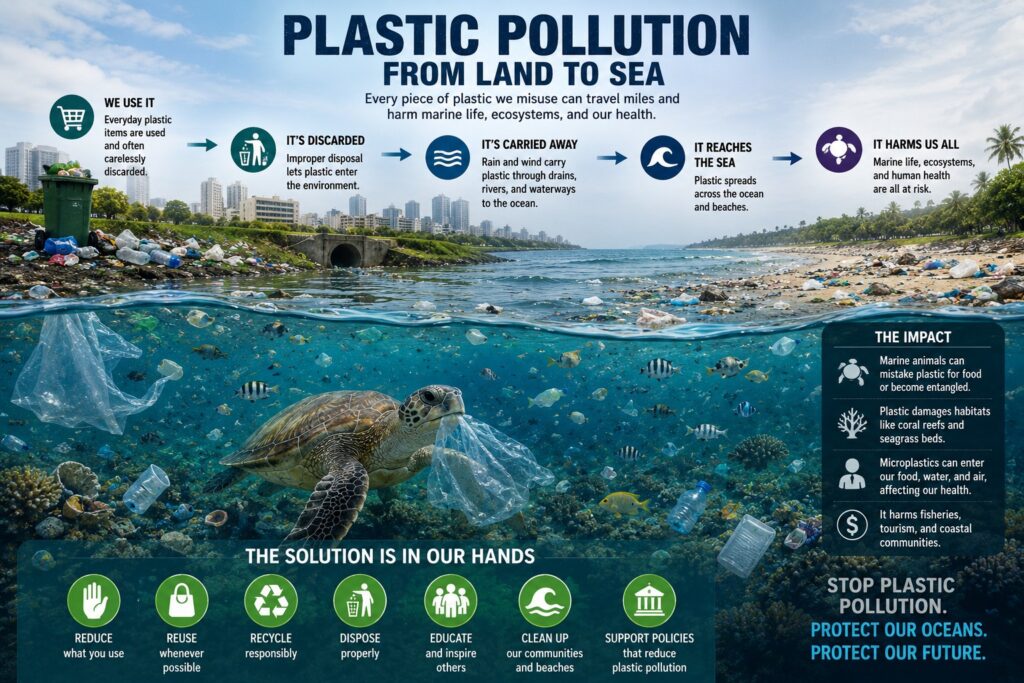
Plastic pollution – from land to sea

QR kodas
After reading two B1-level informational texts, students identify how plastic waste travels from land to the ocean, explain its effects on marine life, and use target vocabulary to suggest ways of stopping pollution before it reaches the sea. In pairs, they create a short “Stop It at the Source” action plan with three realistic actions for school, home, or the local community.

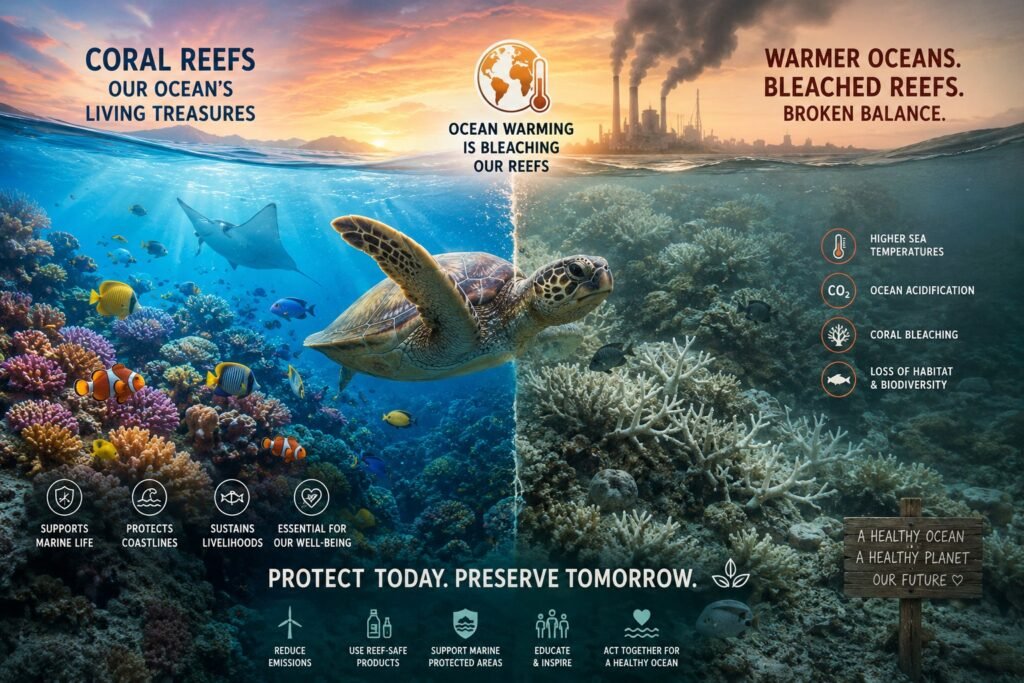
Coral reefs and ocean warming – protecting fragile marine habitats

QR kodas
After reading two B1-level informational texts, students explain why coral reefs are important, identify how ocean warming and marine heatwaves can cause coral bleaching, and use target vocabulary to discuss ways to protect reef ecosystems. In pairs, they create a short “Help the Reef Recover” plan with three realistic actions for communities, visitors, or decision-makers.

Life below water: protecting marine ecosystems (SDG 14)

QR kodas
After reading an informational text about oceans, students identify key threats to marine life and explain—using target vocabulary—how people can protect life below water. In pairs, they create a short “Save the Sea” action message (3–4 sentences) combining English skills with biology knowledge.