
Explore All Lessons
Decent work and economic growth
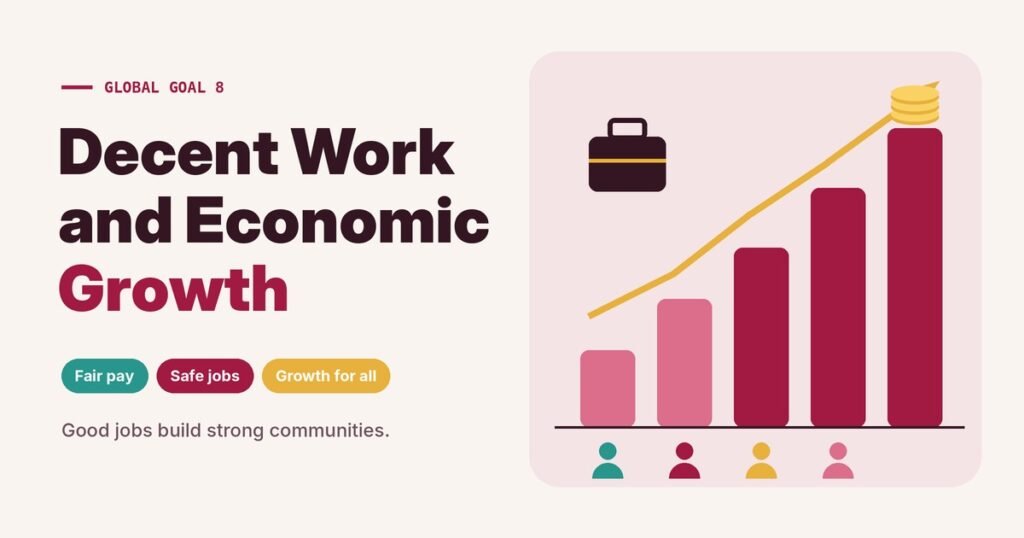

Working in groups, students will explore the concept of decent work and economic growth, analyze data and real-life situations related to employment and working conditions, and design awareness activities promoting fair work opportunities and sustainable economic development.
The World Needs You! – One Class, One Mission, One Better World
Students take part in an inspiring “Better World Challenge”. They discover that many global problems cannot be solved by one person, school or country alone. Working in international teams, they receive a mission to make the world a little better and must combine their skills, ideas and resources to achieve their goal.
The lesson ends with a shared class commitment and a positive message: young people do not have to wait until they are adults to make a difference.
The Dream Team Challenge – Together We Can!
Students become members of an international youth team. They receive a limited budget and a mission to make life better for young people in their community. They must combine their ideas, divide responsibilities and cooperate with different partners to create a solution that benefits as many people as possible.
The lesson is designed to be lively, creative and meaningful for teenagers, with a focus on the idea that different people bring different strengths to the same goal.
The Great School Swap – Your Talent Can Help Someone!
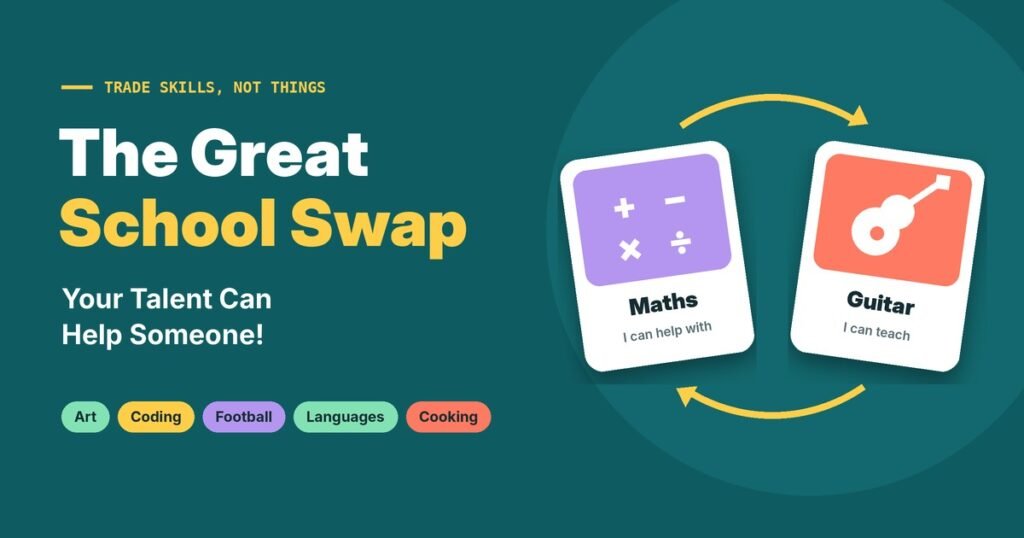
Students discover that everyone has something valuable to offer. They take part in a creative skill-sharing challenge, identify what their school community needs and design a mini-event where people can learn from one another.
The central message is that a strong community is not made up of people who can do everything, but of people who are willing to share what they know.
The Kindness Chain – Small Actions, Big Change!
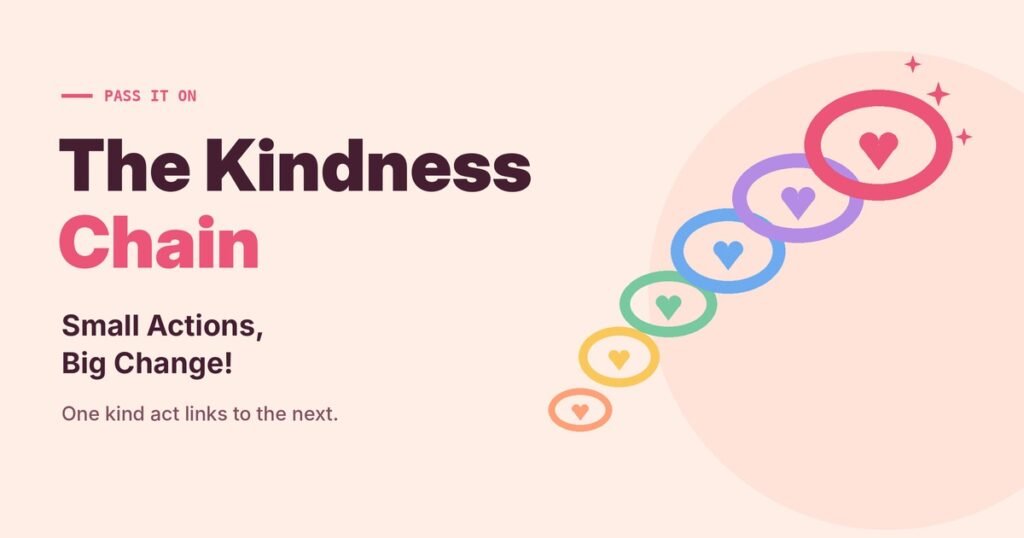
Students discover that even small actions can make a difference when people work together. Through a kindness challenge, a creative team mission and a class partnership project, they explore how cooperation helps schools and communities solve problems.
The lesson creates a positive atmosphere and reminds students that nobody has to change the world alone.
Peace Negotiators – Can We Find a Solution Everyone Can Live With?

Students become peace negotiators who must solve a conflict between groups with different needs. They practise listening, identifying shared interests, negotiating compromises and reaching agreements without aggression or humiliation.
The lesson focuses on skills teenagers can use in friendships, group projects, school life and online discussions.
Fair Play – Who Makes the Rules, and Are They Fair?
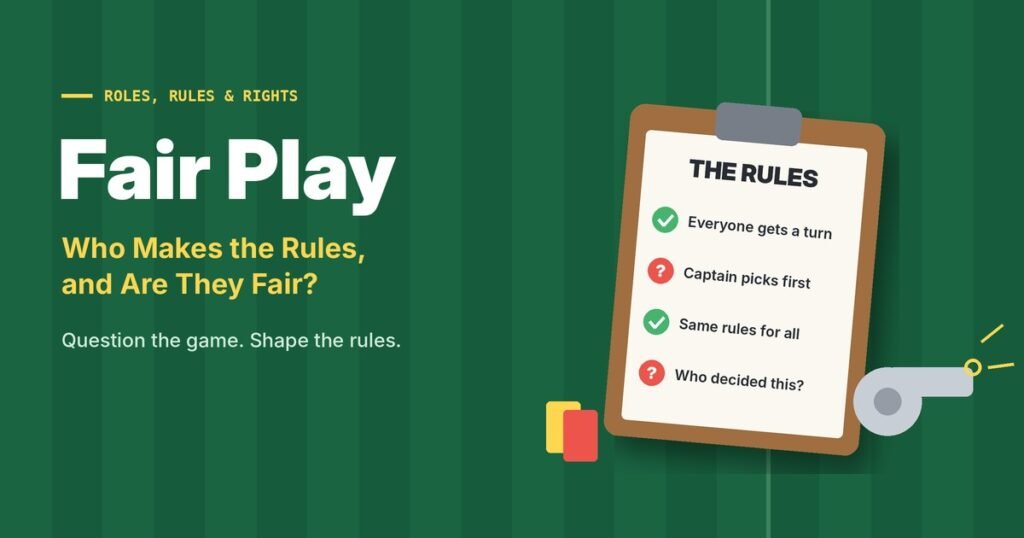
Students take part in a realistic school challenge: they investigate rules that may be unfair, decide how to improve them and vote on a new class agreement. They learn that good rules should protect people's rights, apply fairly and give everyone a chance to express their opinion.
Digital Detectives – Stop, Check, Report!

Students become digital detectives investigating realistic online situations. They learn how to recognise suspicious messages, verify information before sharing it, protect their privacy and decide where to seek help when something online is unfair or harmful.
The focus is on practical skills they can use immediately in group chats, social media and everyday online communication.
Mission: The Justice League – Solve the School Conflict!

Students become a Youth Justice Team. They investigate a realistic school conflict, examine different perspectives and propose a fair solution. They discover that peace is not simply the absence of arguments, but also the ability to listen, respect rights and resolve disagreements fairly.
Biodiversity Auction – What Is Nature Worth?
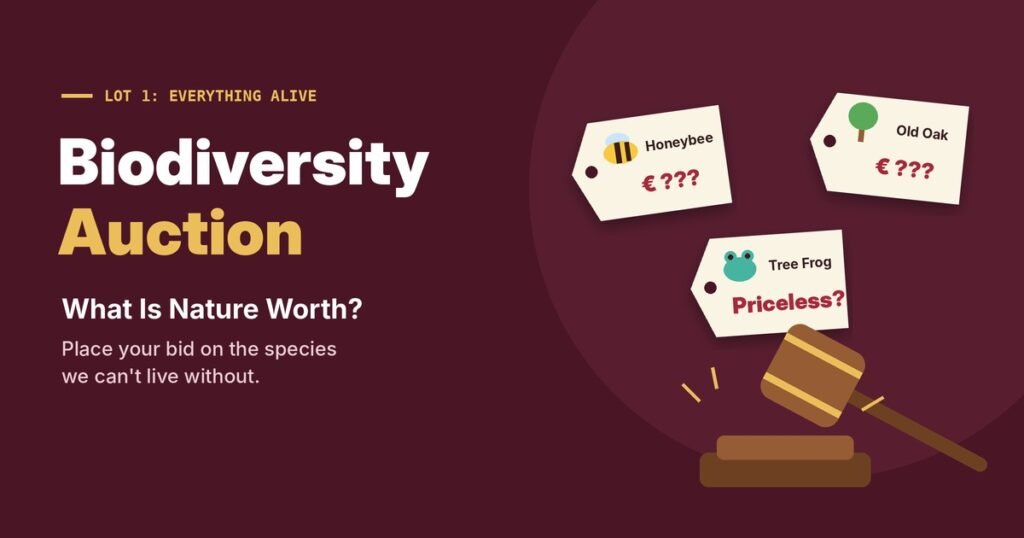
Students take part in a simulated auction where they must decide which natural habitats and species to protect with a limited budget. They discover why biodiversity matters and how human decisions influence life on land.
Students work in teams as environmental organisations. They receive a limited number of eco-coins and bid on habitats, species and conservation projects. They must justify their choices in English and create a short action plan to protect biodiversity in their local area.
EcoDetectives – The Case of the Disappearing Nature: Solve the Mystery!
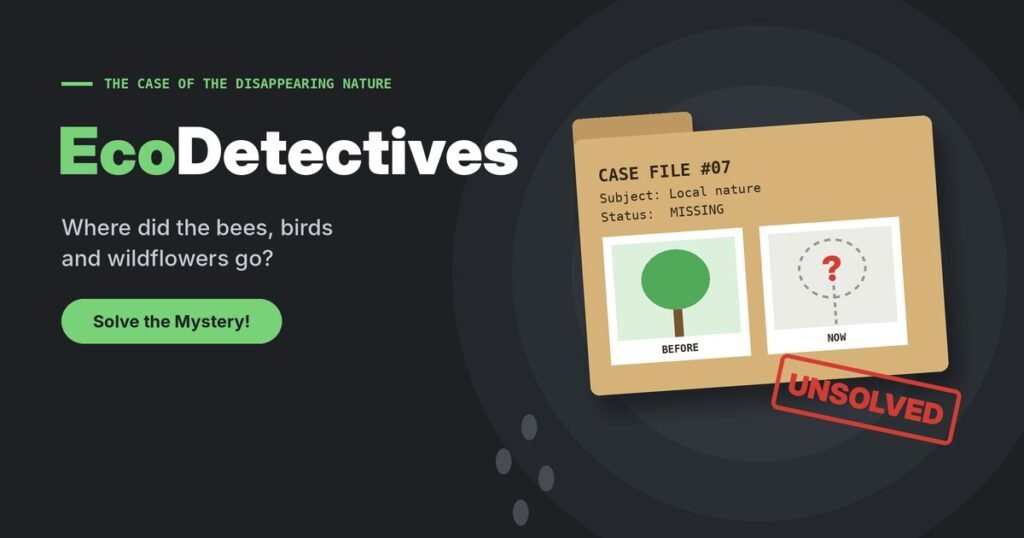
Students become environmental detectives investigating a fictional case: a local area that used to be full of plants, insects and birds is losing its biodiversity.
Working in teams, students examine evidence cards, solve nature-related puzzles, identify possible causes and develop a plan to help restore the area. They must use clues and logical thinking to discover what happened and recommend solutions.
The main question is: Who or what is threatening our local biodiversity, and how can we help nature recover?
Ecosystem SOS – Who Needs Whom? Discover the Secret Connections in Nature!
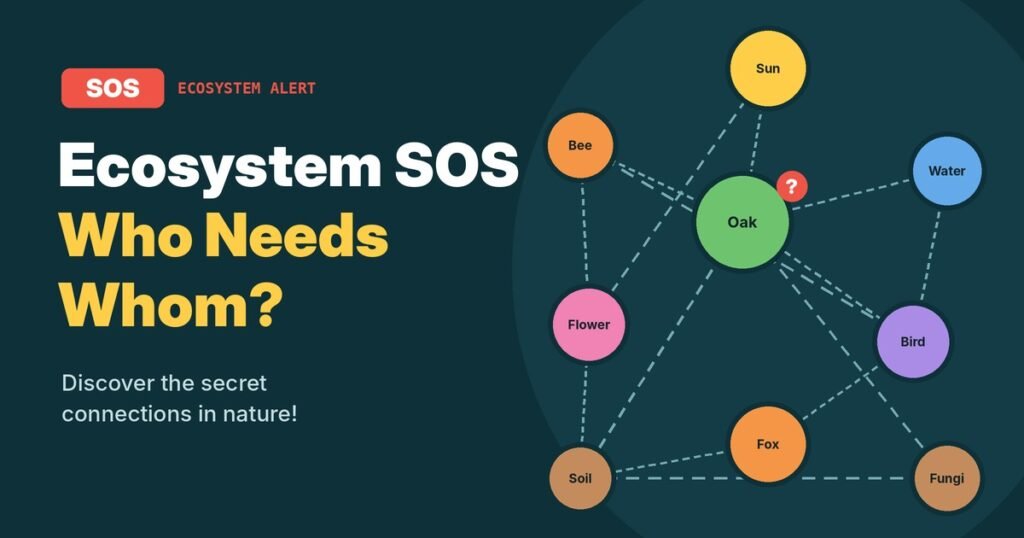
Students become members of a living ecosystem. Through a movement game, a food-web challenge and a nature emergency simulation, they discover how plants, animals and other organisms depend on one another.
Working in teams, they investigate what happens when one species disappears and develop a simple plan to restore the balance of a damaged ecosystem.
The main question is: What happens to nature when one part of an ecosystem disappears?
Nature Detectives – Mission: Save Our Local Wildlife!
Students become nature detectives and take part in a team mission to investigate threats to plants, animals and their natural habitats. They solve nature riddles, identify environmental problems and design a simple action to protect local biodiversity.
Working in teams, students collect clues, complete challenges and develop a short “Wildlife Rescue Plan” for their school or local community.
The main question is: How can we help plants and animals survive and thrive in our local environment?
The Great Learning Mission – Learn Together, Win Together!

Students take part in an active team challenge consisting of short, fun learning missions. They solve puzzles, answer questions, communicate in English and complete creative tasks. Through cooperation and movement, they discover that learning can be enjoyable and that everyone has something valuable to contribute.
The Future of Learning – Learn, Play, Succeed!
Students explore how digital tools and educational games can make learning more engaging, interactive and accessible. Working in teams, they solve learning challenges, create a short digital quiz and reflect on how technology can help students learn at their own pace.
The main question is: How can digital tools make learning better for everyone?
Students will experience different ways of learning and discover that technology is most useful when it helps people understand, practise and share knowledge.
Equal Chances, Better Future – Education for Everyone

Students explore why some children may face difficulties accessing quality education and work in teams to design an “Inclusive School for Everyone”. They identify barriers to learning and suggest simple, realistic solutions to make school more accessible, supportive and enjoyable for all students.
The main question is: Does every child have an equal chance to learn? What can we do to make education better for everyone?
Learning for a Sustainable Future – Every Student Can Teach and Learn
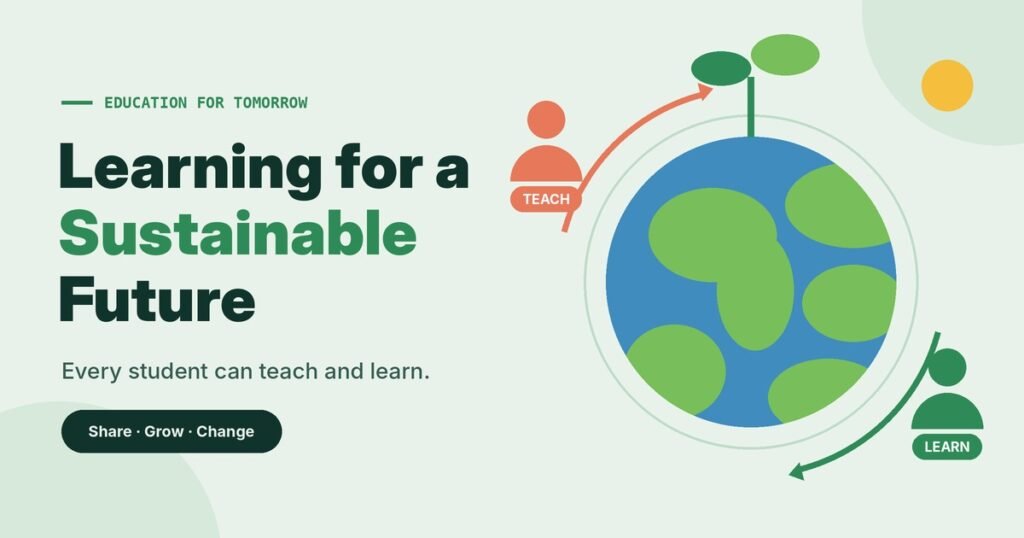
Students work in small international or mixed-ability teams to create a simple, creative learning resource that teaches other students one sustainable habit. They choose an environmental topic, prepare a mini-poster or learning card, and explain their idea to their classmates.
The main question is: How can education help us build a better and more sustainable world?
Students learn that quality education should be inclusive, engaging, practical and accessible to everyone.
Could You Live on €10? – The Real-Life Budget Challenge
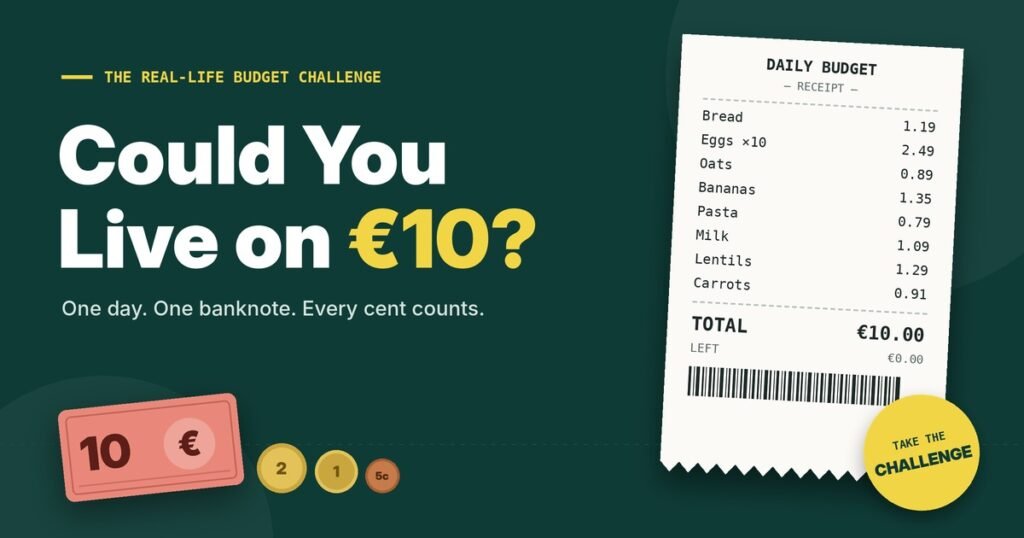
Students take on the role of a family living on a very limited budget. They must decide how to spend their available money on essential needs, respond to an unexpected expense and suggest ways a community can support people experiencing financial difficulties.